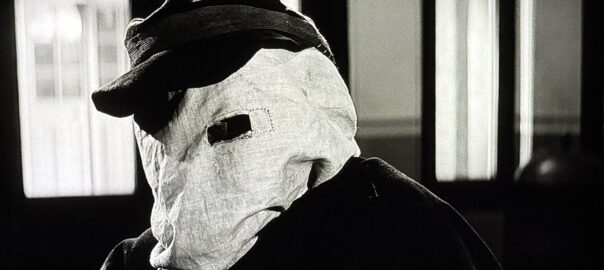
A 50-minute, audio-only Q&A session with Lynch from a 1981 AFI seminar is an interesting snapshot of a moment in time. The moderator fumbles a question on painters, like Francis Bacon and Edward Hopper, that influenced Lynch, but he saves it by noting, “Places influenced me much more than films.” Once questions are opened up to the audience, things get rangy and at times absorbing; naturally, there are some career-based AFI questions, but Lynch also talks about being scared a bit by the linear aspects of The Elephant Man’s story, and the nerve-racking element of working with his very polished cast (“Since I came from painting, for a long time I didn’t really talk. So it’s very difficult to get these little things across if you don’t talk”). Lynch bats away questions of intent and reading by noting that each film dictates its own rules, and touches briefly on Francis Ford Coppola’s backing of Ronnie Rocket, but how One From the Heart’s reception nixed that, sinking Coppola’s company, Zoetrope. There’s even some early-days Dune talk (Lynch was attached at the time). Of major note, and quite interestingly for Twin Peaks fans, toward the very end of the chat, when asked about working for the small screen, Lynch says without hesitation, “Yeah, I’d love to work in television sometime.”
The movie’s two-minute trailer, which of course doesn’t make mention of the not-yet-established Lynch as even its director, much less an auteur, is an interestingly melancholic offering, opening on Hopkins tearfully gazing upon Merrick and intercutting the scene with camerawork tracing its titular subject’s body. It’s also low-key fascinating to reflect upon the movie’s incredibly earnest yet nonetheless awkward radio spots (“You will see beyond the perversions of his form, and see the beauty in the beast”), of which there are three.
Finally, for those who haven’t tackled Lynch’s excellent 2018 memoir Room to Dream, 70 minutes of excerpted audio read by coauthor Kristine McKenna and Lynch give a very nice and deeply personal overview of The Elephant Man’s path to the big screen. This inclusion is, naturally, just about as subjective a look back on The Elephant Man as exists — with the caveat that the memoir’s entire structure is cheekily built around McKenna interviewing a bunch of collaborators and family members, and then Lynch reflecting on their remembrances, which sometimes produces dissonance by way of conflicting (or absent) memory.

That said, it’s interesting to get snippets about Hopkins’ aloofness during the production (for which he later apologized), and the beloved Jack Russell Terrier, Sparky, which Lynch and his wife at the time, Mary Fisk, got while in England. Details like this, as well as recollections from Jennifer Lynch, help paint a beautiful domestic picture of a very real man, not some godhead artist who can do no wrong, putting every fiber of his being into making this film. It’s also heartrending to hear Fisk, who became pregnant with twins while Lynch was in preproduction, reflect on miscarrying. For those wondering if Mel Brooks could somehow come off even better, the answer is yes: he paid Lynch and Fisk’s hospital bills out of his own pocket, and when EMI attempted an end-around and cut a separate version of the film during a lengthy post-production, Brooks refused to even watch it — telling them that final cut was Lynch’s and Lynch’s alone.
Also accompanying the new Criterion release is a 36-page booklet (black-and-white, naturally) featuring cast and below-the-line credits, information about the master, and a healthy excerpt from the 2005 edition of Chris Rodley’s book Lynch on Lynch, in the form of a Q&A dialogue with the filmmaker. Closing the booklet is a copy of the letter written by the real-life Francis Culling Carr Gomm, the head of the London Hospital, to the editor of the London Times on December 4, 1886, advocating for public donations to help house Merrick permanently. For more information from Criterion’s site, click here.